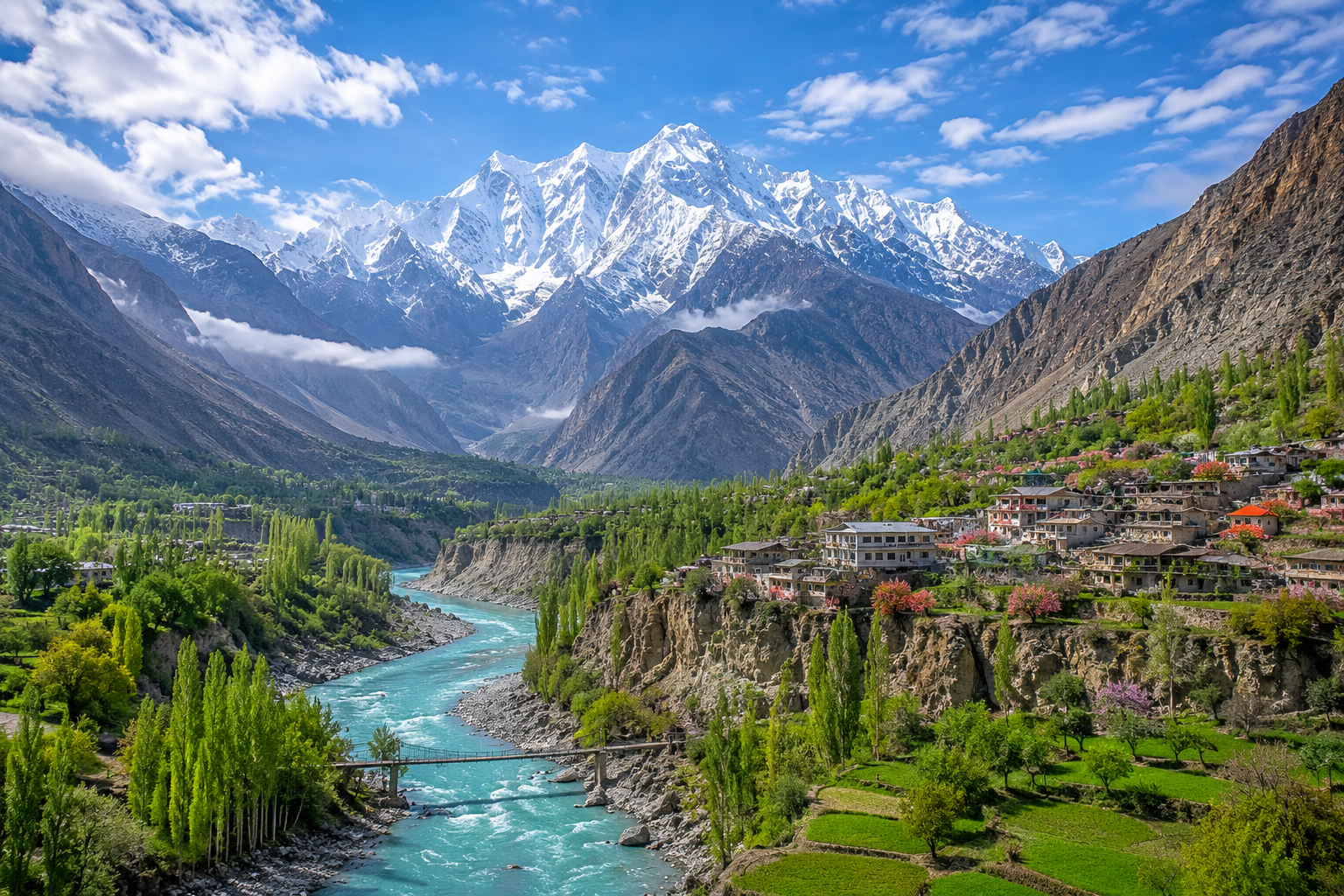
Hunza Valley
There are some places you visit once and immediately understand why people keep talking about them.
Hunza Valley is one of those places.
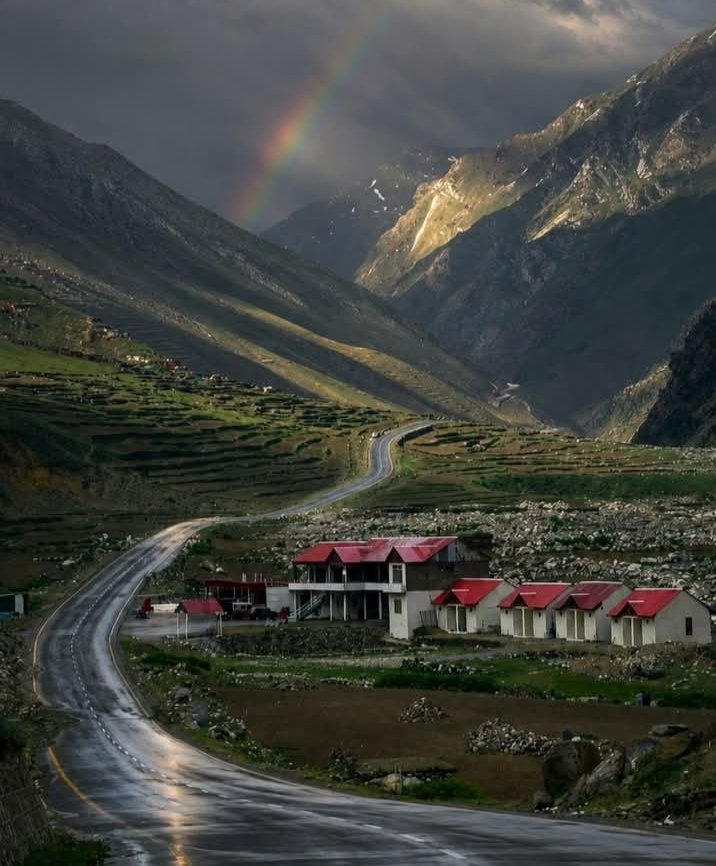
Tucked away in the mountains of northern Pakistan, Hunza feels almost unreal. Towering peaks surround the valley, rivers cut through the landscape, small villages sit between mountains, and in autumn the trees turn shades of yellow, orange, and red.
But Hunza isn’t only about beautiful pictures.
It is the feeling of waking up early and seeing mountains outside your window. It is drinking hot tea while the cold mountain air comes through the window. It is driving along roads where every turn seems to reveal another incredible view.
Whether you are planning your first trip to Hunza or simply dreaming about visiting Pakistan’s northern areas, this complete 2026 travel guide will help you understand what to expect.
Where Is Hunza Valley?
Hunza Valley is located in Gilgit-Baltistan in northern Pakistan.
The region is surrounded by some of the world’s most impressive mountain landscapes, including peaks of the Karakoram range. The valley is also connected to the famous Karakoram Highway, making it an important destination for travelers exploring northern Pakistan.
The main town and commercial center of the valley is Karimabad.
For many visitors, Karimabad becomes the base for exploring nearby attractions, although Hunza is much larger than just one town.
As you travel through the valley, you’ll encounter small villages, mountain viewpoints, historic forts, rivers, lakes, and roads surrounded by dramatic scenery.
Why Is Hunza So Famous?
So, what makes Hunza different from other mountain destinations?
The easiest answer is the combination of nature, culture, history, and hospitality.
Hunza has become famous for its breathtaking views of mountains such as Rakaposhi, Ultar Sar, and other peaks of the Karakoram.
But there is something else that makes the valley special.
Life here moves at a different pace.
Instead of crowded shopping malls and busy city streets, you’ll find quiet villages, terraced fields, stone houses, local markets, and people living close to the mountains.
For someone coming from a busy city, this change can be refreshing.
You don’t necessarily need an expensive activity to enjoy Hunza. Sometimes sitting outside your hotel with a cup of tea and watching the mountains is enough.
Best Time to Visit Hunza Valley in 2026
Choosing the right season can completely change your Hunza experience.
Spring — March to May
Spring brings color back to the valley.
Trees begin to blossom, temperatures become more comfortable, and the surrounding mountains can still have snow on their higher slopes.
This is a beautiful time for photography and sightseeing.
If you enjoy flowers, fresh greenery, and relatively quieter surroundings, spring can be a great choice.
Summer — June to August
Summer is one of the most popular periods for traveling to northern Pakistan.
The weather in Hunza is generally much more comfortable than the intense heat experienced in many Pakistani cities.
Days can be pleasant for exploring, while evenings may still feel cool.
However, because summer is popular, some areas can become busy, especially during holidays.
If you’re traveling during this period, booking accommodation in advance is a smart idea.
Autumn — September to November
If you ask many travelers about the most magical time to see Hunza, autumn will probably come up again and again.
The trees change color and the valley takes on a completely different appearance.
Golden and orange leaves contrast beautifully with the mountains in the background.
For photographers, autumn is particularly special.
If your main goal is to see Hunza at its most colorful, September through November is worth considering, but exact foliage timing varies by location and year.
Winter — December to February
Winter is for travelers who don’t mind cold weather.
Snow can transform parts of Hunza into a completely different landscape. Some roads and attractions may become more difficult to access depending on weather conditions.
If you want a peaceful mountain experience and don’t mind cold temperatures, winter can be incredibly beautiful.
Just make sure you check road and weather conditions before traveling.
How to Reach Hunza Valley
For most travelers coming from other parts of Pakistan, the journey to Hunza is part of the adventure.
By Road
The most common option is traveling by road through the Karakoram Highway.
The route can take you through some spectacular mountain scenery.
Depending on your starting point, the journey can be long, so don’t think of it simply as transportation. Take breaks, stay hydrated, and give yourself enough time.
The road itself offers plenty of memorable views.
By Air
Another option is flying toward Gilgit and then continuing by road toward Hunza.
Flight schedules and operations can be affected by weather, so travelers should check the latest information before making firm plans.
Flying can save considerable travel time when flights are operating, but the road journey still offers an experience you won’t get from an airplane.
Top Places to Visit in Hunza
Hunza isn’t a destination where you visit one attraction and leave.
There are several places worth adding to your itinerary.
1. Karimabad
Karimabad is one of the most popular places to stay in Hunza.
The town has restaurants, hotels, local shops, historic sites, and beautiful mountain views.
One of the best things about staying here is that you can explore the area without constantly being on the road.
Take some time to walk around rather than rushing from one attraction to another.
The small streets, local shops, traditional architecture, and surrounding mountains are part of the experience.
2. Baltit Fort
Standing above Karimabad, Baltit Fort is one of Hunza’s most recognizable historic landmarks.
The fort has a long history connected with the rulers of Hunza and has been restored as an important heritage site.
But even if you’re not particularly interested in history, the location alone makes it worth visiting.
From around the fort, you can enjoy impressive views across the valley.
It’s one of those places where history and scenery come together.
3. Altit Fort
Altit Fort is another important historical site in Hunza.
Located near Altit village, the fort offers visitors a chance to learn more about the region’s history and traditional architecture.
The surrounding village is also worth exploring.
Rather than rushing through the fort, take some time to look at the details of the old structures and imagine what life must have been like here centuries ago.
4. Attabad Lake
Attabad Lake is probably one of the most photographed places in Hunza.
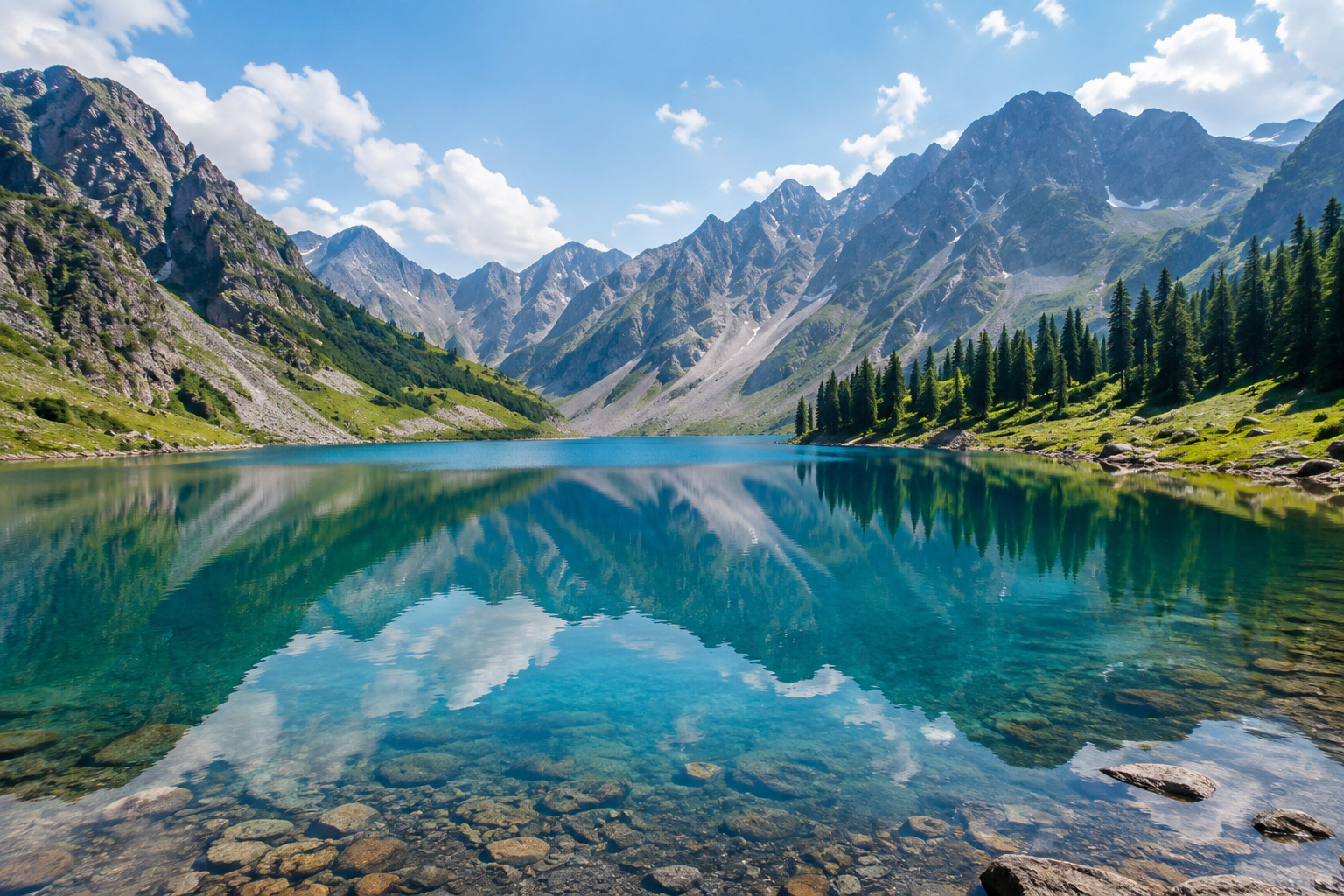
Its striking blue and turquoise water is surrounded by huge mountains, creating a scene that almost looks edited even when you’re standing there in person.
The lake was formed after a massive landslide in 2010 that blocked the Hunza River.
Today, it has become a major tourist attraction.
Visitors can enjoy boat rides and take photographs from different viewpoints around the lake.
One tip: don’t just stop for five minutes to take a picture.
If you have time, sit beside the lake and actually enjoy the landscape.
5. Passu Cones
The dramatic peaks known as the Passu Cones are among the most recognizable mountain landscapes in northern Pakistan.
Their sharp, jagged shapes make them stand out immediately.
The area around Passu is a dream for photographers.
The contrast between the enormous mountains, small villages, roads, and surrounding landscape makes almost every viewpoint look cinematic.
If you’re traveling through Hunza by road, keep your camera ready.
You may find yourself stopping more often than expected.
6. Hussaini Suspension Bridge
The Hussaini Suspension Bridge is another popular attraction in the Hunza region.
The bridge crosses the Hunza River and has become famous for its dramatic appearance.
For adventurous travelers, crossing it can be an exciting experience.
If you’re uncomfortable with heights, however, don’t feel pressured to cross.
Sometimes the best part is simply seeing the bridge against the surrounding mountain landscape.
7. Khunjerab Pass
For travelers who want to go deeper into the region, Khunjerab Pass is an unforgettable destination.
Located near the Pakistan-China border, the pass sits at a very high elevation and is part of the Karakoram Highway.
The landscape here is very different from the greener parts of Hunza.
You’ll see vast mountain scenery, open landscapes, and an atmosphere that feels incredibly remote.
Because of the high altitude and changing weather, travelers should plan carefully and check current road and access conditions before making the journey.
How Many Days Do You Need for Hunza?
If you’re traveling from another major Pakistani city, don’t try to squeeze Hunza into a rushed weekend.
For a proper experience, 5 to 7 days is a much more comfortable target, especially when travel time is included.
A sample itinerary could look like this:
Day 1
Travel toward Hunza and settle into your accommodation.
Day 2
Explore Karimabad, Baltit Fort, and the surrounding area.
Day 3
Visit Altit Fort and nearby villages.
Day 4
Explore Attabad Lake and continue toward Passu.
Day 5
Visit Passu and surrounding viewpoints.
Day 6
Explore additional attractions or consider a trip toward Khunjerab Pass, depending on road and weather conditions.
Day 7
Return journey.
Of course, your itinerary should change depending on your starting point, season, weather, and road conditions.
Where to Stay in Hunza
Hunza offers different types of accommodation.
You can find:
- Hotels
- Guesthouses
- Family-run accommodations
- Resorts
- Budget rooms
- Mountain-view properties
Karimabad is a convenient base for first-time visitors because many restaurants, shops, and attractions are nearby.
However, staying in a smaller village can provide a quieter and more local experience.
If mountain views matter to you, check the actual location of the property before booking. A hotel description may say “mountain view,” but the experience can vary considerably depending on the room.
What Food Should You Try in Hunza?
A trip to Hunza isn’t complete without trying local food.
You may come across dishes such as:
Chapshuro
A popular local pastry filled with meat and spices.
It’s one of those foods that looks simple but can be surprisingly satisfying after a long day of exploring.
Hunza Bread
Traditional Hunza bread is another local favorite.
It is often served with butter, jam, or other accompaniments.
Local Noodles and Soups
Depending on where you eat, you may find hearty local dishes that are particularly enjoyable in the cool mountain weather.
And of course, don’t forget the simple pleasures.
A hot cup of tea while looking at the mountains can sometimes be more memorable than an expensive meal.
Things to Pack for Hunza
Your packing list should depend heavily on the season.
Some useful items include:
- Warm jacket
- Comfortable walking shoes
- Sunglasses
- Sunscreen
- Power bank
- Basic medicines
- Water bottle
- Camera or smartphone
- Small backpack
- Waterproof jacket
- Cash for places where card payments may not be convenient
Even in warmer months, mountain weather can change quickly, so having an extra layer is always a good idea.
Is Hunza Safe for Tourists?
Hunza is a popular destination for domestic and international travelers.
However, mountain travel always requires some additional planning.
Weather can change quickly, roads can be affected by landslides or heavy rain, and some locations are at high altitude.
Before leaving, check current road conditions and weather forecasts.
Drive carefully, especially on mountain roads.
And don’t treat every beautiful viewpoint as a place to take a risky photograph. Stay away from unstable edges and follow local instructions.
A good travel experience is one where you return home with great memories—not unnecessary risks.
Estimated Hunza Travel Budget
Your total budget will depend on where you’re traveling from, how many people are in your group, transportation, hotel category, and activities.
A budget trip can be significantly cheaper when traveling with friends or family and sharing transportation and accommodation.
A more comfortable trip with better hotels, private transportation, and additional activities will naturally cost more.
Instead of relying on one fixed figure for 2026, it’s better to compare current hotel, transport, and activity prices shortly before your trip.
This also gives you a more realistic idea of what you will actually spend.
Travel Tips for First-Time Visitors
Here are a few things I wish every first-time Hunza traveler knew.
Don’t rush.
Hunza isn’t a destination you should experience while constantly checking the clock.
Give yourself time to stop and enjoy the views.
Start your day early.
Morning light can make the mountains look spectacular, and popular viewpoints are often more peaceful earlier in the day.
Keep some cash.
While larger hotels and businesses may offer modern payment options, carrying cash is still useful when traveling in remote areas.
Respect local culture.
Hunza has its own traditions and communities. Dress respectfully, ask before photographing people, and treat villages and historic places with care.
Don’t depend completely on your phone.
Mobile connectivity can vary in mountainous areas. Keep important information, maps, and contacts available offline when possible.
Check conditions before traveling.
A route that is perfectly accessible one day may be affected by weather the next.
Why You Should Visit Hunza at Least Once
There are many beautiful destinations in Pakistan, but Hunza has a personality of its own.
Maybe it’s the enormous mountains.
Maybe it’s the peaceful villages.
Maybe it’s the history of the old forts.
Or perhaps it’s the simple feeling of being surrounded by nature.
For many visitors, the most memorable moments aren’t necessarily the famous attractions.
It’s watching the sunset from a quiet viewpoint.
It’s having breakfast while the mountains are glowing in the morning light.
It’s meeting local people.
It’s driving along the Karakoram Highway with mountains rising on both sides.
Those small moments are what turn a trip into a memory.
Final Thoughts
Hunza Valley isn’t just another destination to add to your travel checklist.
It’s a place that rewards you for slowing down.
The mountains are huge, the roads can be challenging, and the journey may take time—but that’s part of the experience.
Whether you visit during the colorful autumn months, the pleasant summer season, the fresh spring period, or the snowy winter, Hunza offers a different face every time.
So, if Pakistan’s mountains have been sitting on your travel bucket list, maybe it’s time to stop looking at photographs and start planning the journey.
Hunza is waiting—and the mountains aren’t going anywhere.
Frequently Asked Questions About Hunza Valley
What is the best month to visit Hunza?
Autumn is particularly popular because of the beautiful foliage, while summer is also a convenient season for sightseeing. The best month ultimately depends on whether you prefer greenery, autumn colors, or snow.
How many days are enough for Hunza?
Around 5–7 days is a good starting point for a relaxed trip, especially when travel time is included.
Is Hunza good for families?
Yes. Hunza can be an excellent family destination, although mountain roads and long travel times should be considered when traveling with children or elderly family members.
What is Hunza famous for?
Hunza is famous for its dramatic Karakoram mountain scenery, historic forts, traditional culture, villages, Attabad Lake, Passu Cones, and the Karakoram Highway.
Is Hunza worth visiting in 2026?
Absolutely. If you enjoy mountains, nature, photography, history, and peaceful travel, Hunza remains one of Pakistan’s most memorable destinations.
Travel Tip: Before your 2026 trip, always verify current road conditions, weather, attraction access, accommodation availability, and local travel advisories because conditions in mountainous areas can change quickly.